 By
By Akpabio, Kalu, others in Geneva for IPU Meetings
Godswill Akpabio, President of the Senate, arrived in Geneva, Switzerland on Friday to lead Nigeria's delegation to the 148th Assembly…

Ghana’s inflation rate for February 2024 dropped to 23.2% for month of February 2024.
This represents a decline of 30basis points from the 23.5% recorded in January 2024.
This is according to the Ghanian government’s Statistician-General, Samuel Kobina Annim.
Food inflation decelerated to 27% from 27.1% in January, while non-food price growth stood at 20%, down from 20.5%.
The Bank of Ghana had forecasted that inflation would range between 13% and 17% by the year’s end, gradually returning to its medium-term target range of 6% to 10% by the conclusion of 2025.
The decline in inflation aligns with policymakers’ anticipation for a continued easing of inflationary pressures. This led to the decision to conclude the most aggressive phase of monetary tightening, resulting in a reduction of the benchmark rate from 30% to 29% in January.
In 2023, Ghana faced an unparalleled economic downturn characterized by an alarming inflation rate that surged to over 50%.
The nation’s economic difficulties commenced in December 2022 with the declaration of a suspension of payments on a substantial portion of its $28.4 billion external debt, effectively constituting a default.
Recently, the IMF approved a $3 billion rescue package for Ghana- the world’s second-largest cocoa producer. Additionally, the West African nation is undergoing a comprehensive restructuring of nearly all its $47 billion debt to ensure its sustainability.

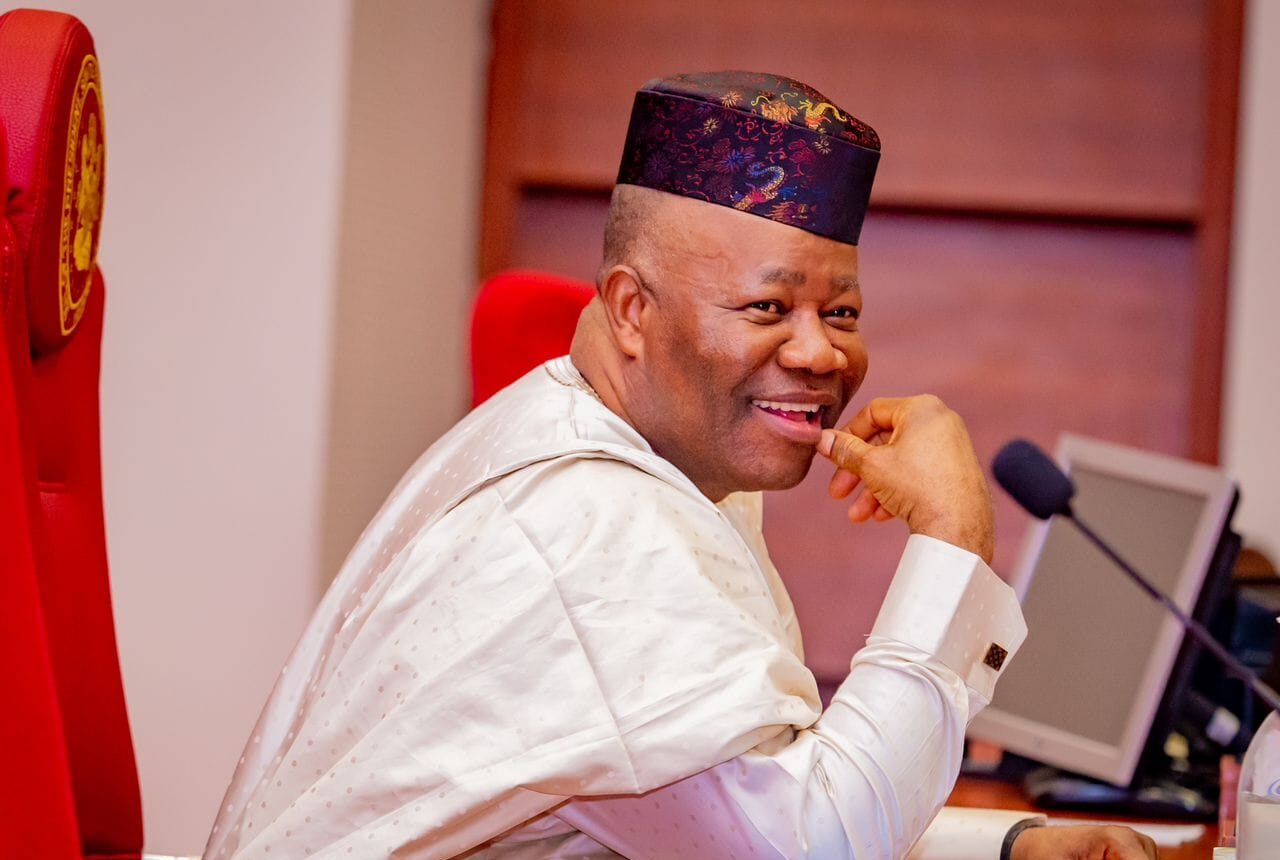
Godswill Akpabio, President of the Senate, arrived in Geneva, Switzerland on Friday to lead Nigeria's delegation to the 148th Assembly…
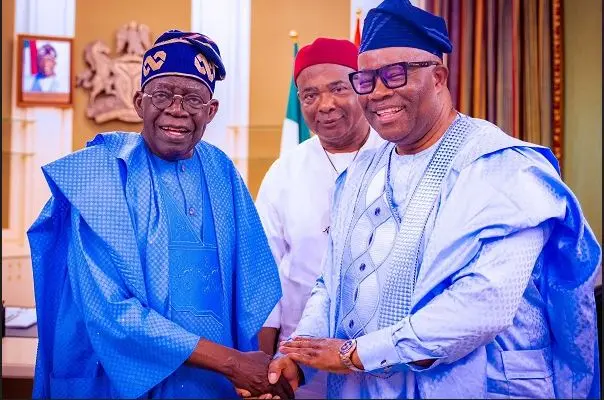
The Governor of Imo State, Hope Uzodimma, has appointed his brother, Ferdinand Uzodimma, as his Deputy Chief of Staff in…
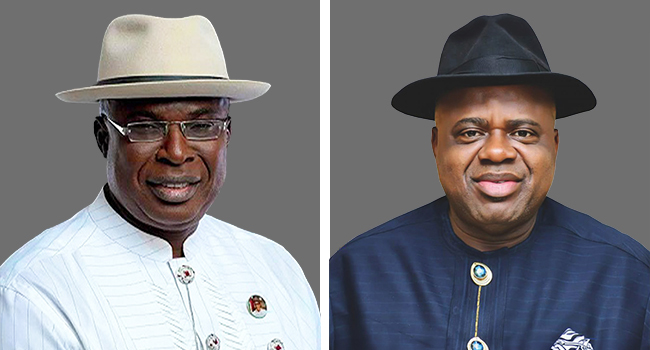
The Rivers State House of Assembly has rejected Governor Siminalayi Fubara’s proposal to enact the Rivers State House of Assembly…