 By
By Akpabio, Kalu, others in Geneva for IPU Meetings
Godswill Akpabio, President of the Senate, arrived in Geneva, Switzerland on Friday to lead Nigeria's delegation to the 148th Assembly…

The unemployment rate in the third quarter of 2023 rose to 5.0%, a significant increase from 4.2% in the second quarter. The unemployment rate was 4.0% for males and 6.0% for women.
Geographically, urban areas had a 6.0% unemployment rate versus 4.0% in rural areas. Youth had an especially high unemployment rate of 8.6%.
Unemployment rates varied by educational attainment: 7.8% among those with postsecondary education, 6.3% among those with upper secondary education, 5.5% among those with lower secondary education, 4.8% among those with primary education, and 2.7% among those with no formal education.
Informal employment.
In Q3 2023, the proportion of employed adults engaged in informal work fell to 92.3%, down 0.4% from the previous quarter’s 92.7%. Notably, women have a far higher rate of informal employment than men.
Informal employment was reported to be more prevalent in rural areas, with 97.2% of residents involved, compared to 87.5% in cities. Females are overrepresented in informal employment relative to males.
Self-employment
For the quarter in question, 87.3% of employed Nigerians were mostly self-employed, with the remaining 12.7% working primarily as employees.
In terms of gender distribution, 90.5% of women were self-employed, compared to 84.2% of males in similar jobs.
Urban areas had a smaller proportion of self-employed people (80.3%), whereas rural areas had a greater rate of employment (94.5%).
Labour force participation
In Q3 2023, Nigeria’s labour force participation rate was 79.5%, down from 80.4% in Q2 2023. Men demonstrated a participation rate of 80.9%, while women had a rate of 78.2%. Residents in rural areas were more eager to participate in labour activities compared to their urban counterparts.
At the same time, 75.6% of Nigeria’s working-age population was employed. The employment-to-population ratio was 77.7% for men and 73.5% for women.
The employment-to-population ratio in urban regions was 71.1%, while in rural areas it was 80.7% higher.

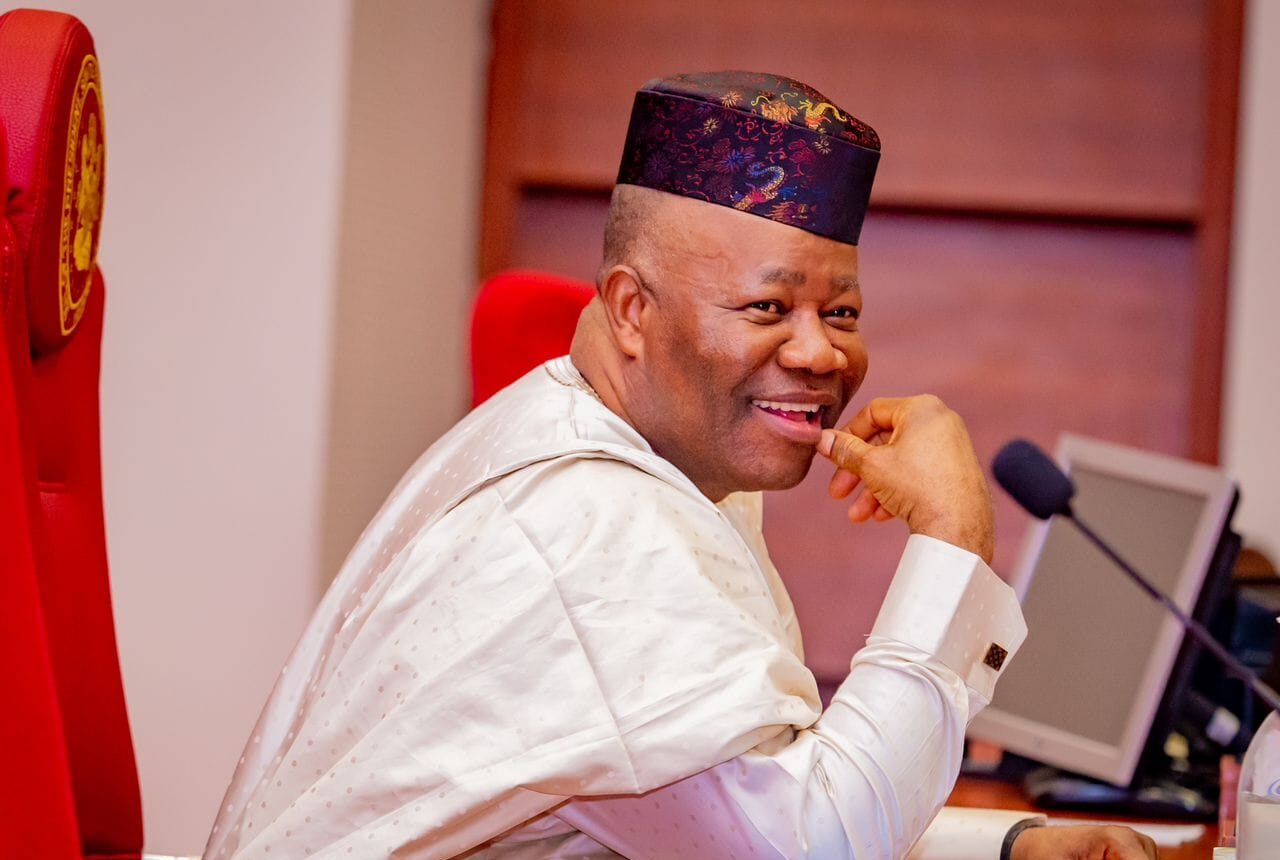
Godswill Akpabio, President of the Senate, arrived in Geneva, Switzerland on Friday to lead Nigeria's delegation to the 148th Assembly…
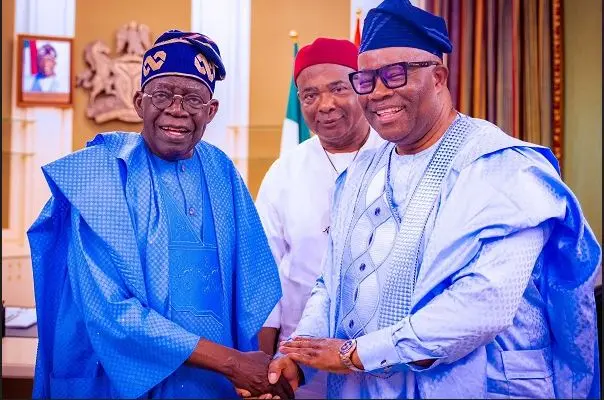
The Governor of Imo State, Hope Uzodimma, has appointed his brother, Ferdinand Uzodimma, as his Deputy Chief of Staff in…
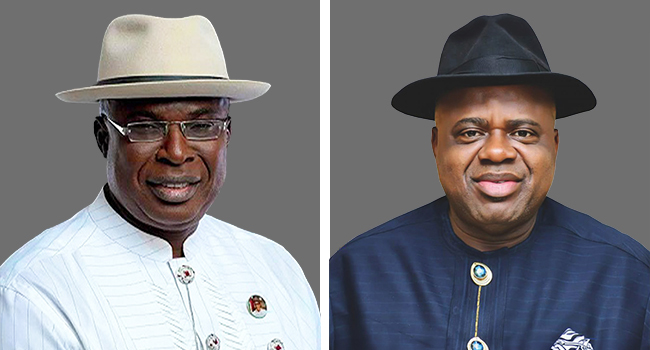
The Rivers State House of Assembly has rejected Governor Siminalayi Fubara’s proposal to enact the Rivers State House of Assembly…